8124077777

 
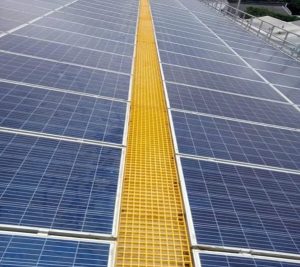
FRP Solar Walkways

Why FRP Solar Walkways Are the Best Choice for Solar Farms

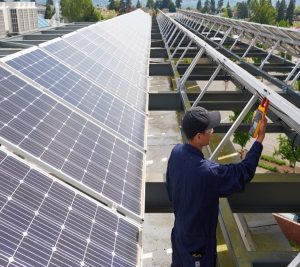
Solar farms are booming globally, and efficient infrastructure is key to their success. One element often overlooked is the walkways that allow staff to safely navigate solar panels. FRP (Fiber Reinforced Polymer) solar walkways have emerged as a superior choice. Not only do they enhance safety, but they also optimize the long-term performance of solar farms.

What is FRP?

FRP is a composite fabric made from a polymer network fortified with filamentsas a rule glass, carbon, or aramid. The result is a lightweight but incredibly strong material resistant to corrosion, chemicals, and extreme weather conditions.

Key Features of FRP Walkways

  • High strength-to-weight ratio

  • Corrosion resistance

  • Non-conductive properties

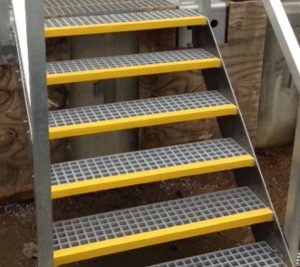
  • Slip-resistant surface

  • Minimal maintenance requirements

FRP walkways combine engineering excellence with practical utility, making them perfect for high-traffic areas in solar farms.

FRP Solar Walkways

Advantages of Using FRP Solar Walkways in Solar Farms

Durability and Longevity

FRP walkways are designed to withstand harsh environmental conditions for decades. Unlike wood or metal, FRP does not rot, rust, or warp, meaning fewer replacements and lower lifecycle costs. Studies show that properly installed FRP walkways can last 20+ years with minimal maintenance.

Lightweight Yet Strong

FRP panels are significantly lighter than steel or concrete, which reduces the load on solar farm structures. Despite being lightweight, FRP can support heavy pedestrian traffic and equipment, providing a safe walking surface for maintenance personnel.

Corrosion and Weather Resistance

Exposed to sun, rain, snow, and chemicals, walkways in solar farms must resist corrosion. FRP’s composite construction ensures exceptional resistance to UV radiation, moisture, and chemical spills, maintaining structural integrity over time.

Low Maintenance Requirements

Unlike metal walkways that require regular painting or anti-rust treatments, FRP walkways require minimal maintenance. Occasional cleaning and inspection are enough to keep them in peak condition, freeing up labor for other operational tasks.

Easy Installation Process

FRP walkways often come in modular sections that snap together quickly, reducing installation time and costs. This modularity allows for flexible layouts, even in complex solar farm designs.

Safety and Slip Resistance

FRP panels are designed with textured surfaces that enhance slip resistance, crucial in wet or frosty conditions. This safety feature reduces accidents and ensures compliance with occupational safety standards.

Cost-Effectiveness Over Time

While the upfront cost of FRP may be slightly higher than traditional materials, its long-term durability, low maintenance, and reduced replacement needs make it more economical for solar farm operators.

Environmental Benefits

FRP is a sustainable option. It reduces waste from frequent replacements and can be manufactured with recyclable materials. Its longevity minimizes resource consumption, aligning with the environmental goals of solar farms.

Design Flexibility and Customization

FRP walkways can be customized in width, length, color, and load-bearing capacity, making them adaptable to any solar farm layout. They can also incorporate drainage patterns and anti-slip designs as needed.

Comparing FRP Walkways to Traditional Materials

Steel Walkways vs FRP Walkways

Feature Steel FRP
Weight Heavy Lightweight
Corrosion Resistance Poor without coating Excellent
Maintenance High Low
Installation Labor-intensive Quick and modular
Lifespan 10–15 years 20+ years

Concrete Walkways vs FRP Walkways

Feature Concrete FRP
Flexibility Limited High (modular)
Installation Time Long Short
Slip Resistance Low (needs treatment) High
Durability Moderate Excellent
Maintenance Moderate Minimal

Installation Best Practices for Solar Farms

Site Preparation and Planning

  • Clear debris and level the ground

  • Plan walkways to allow access to all solar arrays

  • Consider drainage and slope requirements

Proper FRP Walkway Placement

  • Ensure panels are supported evenly

  • Avoid direct contact with standing water

  • Leave expansion gaps for thermal movement

Safety Guidelines During Installation

  • Use gloves and eye protection

  • Follow manufacturer torque specifications for fasteners

  • Ensure proper alignment to prevent tripping hazards

FRP Solar Walkways

Maintenance Tips for Longevity

Routine Inspections

  • Check for cracks or warping

  • Inspect anti-slip surfaces for wear

  • Monitor fastener tightness

Cleaning Procedures

  • Use mild detergents or water pressure washers

  • Avoid abrasive chemicals that could damage the polymer

Repair and Replacement Guidance

  • Replace modular panels individually when damaged

  • Use compatible FRP repair kits for small cracks

Conclusion

FRP solar walkways combine durability, safety, and cost-effectiveness, making them the top choice for solar farms worldwide. From modular installation to long-term sustainability, FRP solutions enhance operational efficiency while reducing maintenance burdens. Solar farm operators who invest in FRP walkways enjoy a safer work environment, lower long-term costs, and environmentally responsible infrastructure.

Frequently Asked Questions (FAQs)

1. How long do FRP walkways last in solar farms?
With proper installation and routine maintenance, FRP walkways can last over 20 years.

2. Can FRP walkways handle heavy equipment?
Yes, FRP walkways are designed to support pedestrian traffic and moderate maintenance equipment loads.

3. Are FRP walkways environmentally friendly?
Absolutely. They reduce replacement frequency, can use recyclable materials, and have a smaller carbon footprint than steel or concrete.

4. How do FRP walkways compare in cost to steel?
FRP may have a higher upfront cost but offers lower lifecycle costs due to minimal maintenance and longevity.

5. Do FRP walkways require special cleaning products?
No. Mild detergents or water are sufficient to maintain FRP walkways.

6. Can FRP walkways be customized for specific site layouts?
Yes. Modular designs allow custom widths, lengths, and patterns to fit any solar farm layout.

What Are FRP Storage Racks? Features, Uses & Benefits Explained

FRP storage racks are quickly becoming the go-to storage solution across industries that demand durability, hygiene, and corrosion resistance. FRP storage racks are engineered using fiber reinforced plastic, combining high-strength fibers with polymer resins. This smart composition gives FRP storage rack superior performance compared to traditional materials like steel or wood.

Today, FRP storage rack are used in chemical plants, food processing units, pharmaceutical facilities, warehouses, and even residential spaces. Since industries are shifting toward long-lasting and low-maintenance storage solutions,  storage racks fit perfectly into modern infrastructure needs.

What sets FRP storage rack apart is their exceptional resistance to moisture, chemicals, rust, and microbial growth. In addition, they’re lightweight yet sturdy, making installation and relocation hassle-free. As businesses focus more on safety, hygiene, and sustainability, FRP storage racks deliver value on all fronts.

What Does FRP Stand For?

FRP stands for Fiber Reinforced Plastic. It’s a composite material formed by reinforcing a polymer matrix with strong fibers such as fiberglass. This reinforcement improves strength, stiffness, and durability.

In FRP storage rack, the fibers carry the load while the plastic matrix protects them from environmental damage. As a result, FRP storage rack exhibit high load-bearing capacity without compromising flexibility or chemical resistance.

Because FRP materials don’t corrode, rot, or degrade easily, FRP storage rack remain reliable even in extreme environments such as coastal areas, chemical plants, or cold storage facilities.

Key Components of FRP Storage Rack

FRP storage rack are composed of multiple precision-engineered components that work together to provide robust storage solutions:

FRP Frames: Provide structural integrity

FRP Shelves: Support heavy loads without bending

Fasteners & Connectors: Usually stainless steel or FRP-based

Protective Coating: Improves UV and chemical resistance

Each component is carefully designed to ensure that FRP storage racks meet industrial safety and performance standards.

Types of FRP Storage Rack

Wall-Mounted FRP Racks

Wall-mounted FRP storage rack are ideal for small spaces and light to medium loads. They’re commonly used in laboratories, kitchens, and medical facilities.

Heavy-Duty FRP Storage Rack

These FRP storage rack are designed for warehouses and industrial plants where high load capacity is critical. They’re reinforced with thicker fiberglass layers for added strength.

FRP Storage Racks

Manufacturing Process of FRP Storage Rack

FRP storage rack are manufactured using advanced processes such as pultrusion, hand lay-up, or filament winding. Among these, pultrusion is the most common method because it ensures consistent quality and precise dimensions.

The process includes:

Fiber impregnation with resin

Heating and curing

Cutting into desired lengths

Assembly and finishing

This controlled manufacturing process makes FRP storage rack reliable and uniform in performance.

Core Features of FRP Storage Rack

FRP storage racks come with a wide range of impressive features:

  • Corrosion-resistant

  • Lightweight but strong

  • Fire-retardant options available

  • Non-conductive and safe

  • Hygienic and easy to clean

  • Customizable sizes and colors

Because of these features, FRP storage racks are suitable for both harsh industrial environments and clean commercial spaces.

Industrial Applications of FRP Storage Rack

FRP storage rack are widely used across industries such as:

  • Chemical processing plants

  • Pharmaceutical industries

  • Food and beverage production

  • Oil and gas facilities

  • Water treatment plants

Their ability to withstand aggressive chemicals and extreme temperatures makes FRP storage rack ideal for industrial storage environments.

FRP Storage Racks

Commercial and Residential Uses

FRP storage rack aren’t limited to heavy industries. They’re also popular in:

  • Supermarkets

  • Hospitals

  • Commercial kitchens

  • Cold storage rooms

  • Modern homes

Because FRP storage rack look clean, modern, and professional, they fit well into visible spaces where aesthetics matter.

Environmental and Safety Advantages

FRP storage rack are environmentally responsible solutions. Their long service life reduces material waste and replacement frequency. Additionally, they emit fewer pollutants during use.

From a safety standpoint, FRP storage rack are non-sparking, non-conductive, and resistant to microbial growth. These qualities make them ideal for hazardous and hygienic environments.

How to Choose the Right FRP Storage Rack

When selecting FRP storage racks, consider the following:

  • Load capacity

  • Environmental exposure

  • Available space

  • Customization needs

  • Industry compliance

Choosing the right FRP storage rack ensures optimal performance and safety for years to come.

Maintenance and Lifespan

One of the biggest advantages of FRP storage racks is minimal maintenance. Regular cleaning with mild detergents is usually enough.

With proper installation, FRP storage rack can last 20–30 years or more, even in harsh environments. That’s a solid return on investment.

Conclusion

FRP storage racks are a modern, efficient, and future-ready storage solution. With unmatched corrosion resistance, safety, hygiene, and durability, FRP storage rack outperform traditional storage systems in almost every way.

Whether for industrial, commercial, or residential use, FRP storage rack deliver long-term value and peace of mind. Investing in FRP storage rack isn’t just a smart decision—it’s a strategic one.

FAQs About FRP Storage Racks

1. What are FRP storage rack made of?

FRP storage racks are made from fiber reinforced plastic, combining fiberglass and polymer resin.

2. Are FRP storage rack suitable for outdoor use?

Yes, FRP storage racks resist UV rays, moisture, and corrosion.

3. How much weight can FRP storage rack hold?

Heavy-duty FRP storage racks can support substantial industrial loads.

4. Are FRP storage rack hygienic?

Absolutely. They resist bacteria, mold, and moisture.

5. Do FRP storage rack require maintenance?

Minimal maintenance is required—no painting or rust treatment.

6. Are FRP storage rack eco-friendly?

Yes, they’re durable, long-lasting, and reduce material waste.

FRP Cable Tray

How to Choose the Right FRP Cable Tray

FRP Cable Tray Choosing the right cable tray might sound boring at first, right? But if you’re dealing with power distribution, industrial wiring, or large-scale infrastructure, this decision is as critical as choosing the foundation for a building. One wrong choice, and you could face corrosion issues, safety hazards, or massive maintenance costs down the line. That’s where FRP cable trays step into the spotlight.

What is an FRP Cable Tray?

FRP stands for Fiber Reinforced Plastic. An FRP cable tray is a cable management system made from reinforced polymers, designed to support, protect, and organize electrical cables. Think of it as a strong yet lightweight highway that safely carries cables from one point to another.

Why FRP Cable Trays Are Gaining Popularity

Traditional materials like steel and aluminum have their limits. Rust, corrosion, heavy weight, and constant maintenance make them less ideal in harsh environments. FRP cable trays, on the other hand, are corrosion-resistant, non-conductive, and built to last. That’s why industries are rapidly shifting toward FRP solutions.

Understanding the Basics Before Choosing

Purpose of Cable Management Systems

Cable trays aren’t just about neatness. They ensure:

  • Safe routing of power and data cables

  • Easy inspection and maintenance

  • Reduced fire hazards

  • Scalability for future expansion

A good cable tray system is like a well-organized bookshelf—you know exactly where everything is, and adding more doesn’t cause chaos.

Importance of Choosing the Right Cable Tray

Choosing the wrong tray can lead to sagging cables, overheating, corrosion damage, or even accidents. The right FRP cable tray ensures safety, efficiency, and peace of mind.

Key Advantages of FRP Cable Trays

Corrosion Resistance

This is the biggest win. FRP cable trays don’t rust. Whether it’s a chemical plant, coastal area, or wastewater facility, FRP stands firm where metals fail.

Lightweight Yet Strong

FRP trays are significantly lighter than steel but surprisingly strong. This means:

  • Easier handling

  • Faster installation

  • Lower structural load

It’s like comparing a modern carbon-fiber bike to an old iron one—lighter, stronger, better.

Fire Retardant Properties

High-quality FRP trays are made with fire-retardant resins. In case of fire, they don’t propagate flames easily, improving overall safety.

Low Maintenance and Long Life

No painting. No anti-rust coating. No constant repairs. FRP trays can last decades with minimal maintenance.

cable tray

Types of FRP Cable Trays

Ladder Type FRP Cable Tray

Best suited for:

  • Heavy power cables

  • Long spans

  • Excellent ventilation

These trays look like ladders and allow maximum airflow, reducing heat buildup.

Perforated FRP Cable Tray

Ideal for:

  • Control and instrumentation cables

  • Balanced airflow and support

Perforations help in cable tie fixing and moderate ventilation.

Solid Bottom FRP Cable Tray

Used where:

  • Dust or water protection is needed

  • Sensitive cables are installed

Load Capacity and Structural Strength

Understanding Load Requirements

Always calculate the total weight of cables per meter. Overloading is the fastest way to failure.

Span Length Considerations

Longer spans require higher strength. FRP trays can be designed for custom spans—make sure this is specified.

Safety Factors to Look For

Choose trays with adequate safety factors built into the design. Never operate at maximum theoretical capacity.

Environmental Conditions to Consider

Chemical Exposure

FRP trays can be customized using specific resins (vinyl ester, polyester) based on chemical resistance needs.

Outdoor vs Indoor Installations

For outdoor use, ensure:

  • UV resistance

  • Weatherproof resin systems

Temperature and Humidity Factors

FRP performs well across a wide temperature range, but confirm suitability for extreme conditions.

Industry-Specific Requirements

Power Plants and Substations

Non-conductive and corrosion-resistant properties make FRP ideal here.

Chemical and Process Industries

FRP’s resistance to acids, alkalis, and solvents is unmatched.

Oil & Gas and Marine Applications

Saltwater and moisture are enemies of metal—but not FRP.

Commercial and Residential Projects

Lightweight, aesthetic, and safe—perfect for modern buildings.

Standards and Certifications

Importance of IS, IEC, and ASTM Standards

Always check compliance. Certified products ensure performance and safety.

Fire and Safety Compliance

Fire retardancy and smoke density ratings are crucial in enclosed spaces.

Size, Width, and Depth Selection

Cable Volume Calculation

Rule of thumb: never fill more than 40–50% of tray capacity.

Allowance for Future Expansion

Always plan ahead. Adding space now saves big money later.

Accessories and Fittings

Bends, Tees, and Reducers

Directional accessories should match tray strength and resin type.

Supports, Clamps, and Covers

Accessories should also be FRP or compatible materials to avoid corrosion mismatch.

Installation and Ease of Handling

On-Site Cutting and Drilling

FRP trays are easy to cut and drill using simple tools.

Installation Time and Labor Cost

Lightweight nature means quicker installation and reduced labor expenses.

Cost vs Value Analysis

Initial Cost vs Lifecycle Cost

FRP may cost slightly more upfront, but the long-term savings are huge.

Long-Term Savings with FRP

  • Zero corrosion cost

  • Minimal maintenance

  • Longer service life

In the long run, FRP pays for itself.

Choosing the Right Manufacturer or Supplier

Experience and Reputation

Always choose a supplier with proven industry experience.

Customization and Technical Support

Good manufacturers help with design, drawings, and load calculations.

After-Sales Service

This separates great suppliers from average ones.

Common Mistakes to Avoid

Ignoring Load Calculations

This leads to failures and safety risks.

Choosing Price Over Quality

Cheap trays today can become expensive problems tomorrow.

Future Trends in FRP Cable Tray Systems

Sustainable and Green Materials

Eco-friendly resins and recyclable materials are gaining traction.

Smart Infrastructure Integration

Future trays may integrate sensors for temperature and load monitoring.

Conclusion

Choosing the right FRP cable tray isn’t just about picking a product—it’s about making a smart, future-proof investment. From understanding load requirements to selecting the right type, resin, and supplier, every step matters. When chosen correctly, FRP cable trays offer unmatched durability, safety, and long-term value. Think of them as the silent guardians of your electrical infrastructure—strong, reliable, and always doing their job without complaint.

FRP Battery Racks

What Is an FRP Battery Rack? Benefits, Uses & Specifications

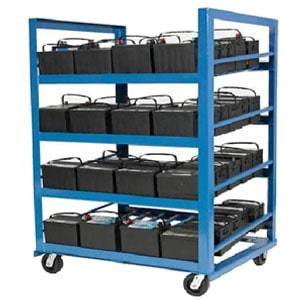
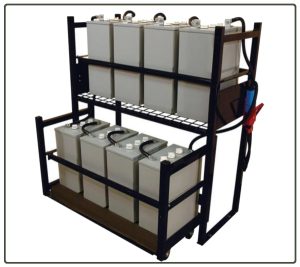
FRP Battery Rack If you’ve ever worked around industrial batteries, telecom power rooms, or solar backup systems, you already know one thing—batteries need proper support. Not just any support, but a strong, safe, and long-lasting structure. That’s where FRP battery racks come into play.

Think of an FRP battery rack as the backbone of a power system. Without it, even the best batteries can become unsafe, inefficient, or difficult to maintain. In today’s demanding environments, traditional metal racks often fall short. So, industries are turning toward FRP—and for good reason.

What Does FRP Stand For?

FRP stands for Fiber Reinforced Plastic. It’s a composite material made by reinforcing plastic with fibers such as glass fiber. The result? A material that’s lightweight, incredibly strong, non-corrosive, and electrically non-conductive.

In short, FRP combines the best of both worlds—plastic’s resistance and fiber’s strength.

Why Battery Racks Matter in Power Systems

Battery racks aren’t just storage shelves. They:

Support heavy battery loads

Ensure proper ventilation

Improve safety during operation

Make maintenance easier

Extend battery life

A poor-quality rack can lead to short circuits, corrosion, or even accidents. That’s why choosing the right rack is as important as choosing the right battery.

Understanding FRP Battery Racks

Basic Definition

An FRP battery rack is a specially designed structure made from fiber-reinforced plastic, used to hold and organize batteries in industrial, commercial, and renewable energy applications.

These racks are engineered to withstand harsh environments where metal racks typically fail.

How FRP Battery Racks Are Manufactured

Raw Materials Used

FRP battery racks are typically made using:

  • Glass fiber

  • Polyester or epoxy resin

  • UV stabilizers

  • Fire-retardant additives

Each material plays a role in improving strength, durability, and safety.

Pultrusion Process Explained

Most FRP racks are manufactured using a pultrusion process, where fibers are pulled through resin and heated molds. This ensures:

  • Uniform strength

  • Consistent quality

  • Precise dimensions

It’s like baking a perfectly shaped cake—every time.

Key Features of FRP Battery Racks

Corrosion Resistance

This is the biggest win. FRP racks do not rust, corrode, or degrade—even in acidic battery environments. Perfect for places where metal racks simply don’t survive.

High Strength-to-Weight Ratio

FRP racks are lightweight yet incredibly strong. You get excellent load capacity without the headache of heavy structures.

Electrical Insulation Properties

Since FRP is non-conductive, it reduces the risk of electrical shocks and short circuits. Safety first, always.

Fire Retardant Characteristics

Many FRP battery racks are manufactured with fire-retardant resins, adding another layer of protection in critical installations.

Benefits of Using FRP Battery Racks

Long Service Life

FRP racks can easily last 20–25 years with minimal wear. That’s long-term peace of mind.

Low Maintenance Requirements

No painting. No anti-rust coatings. No constant inspections. Once installed, FRP racks just work.

Safety Advantages

Non-sparking, non-conductive, and corrosion-resistant—FRP racks significantly reduce operational risks.

Cost-Effectiveness Over Time

While the initial cost may be slightly higher than metal racks, the lifecycle cost is much lower. Less maintenance. Fewer replacements. Better value.

battery rack

Common Applications of FRP Battery Racks

Telecom Industries

Telecom sites demand reliability. FRP battery racks handle heat, humidity, and chemical exposure with ease.

Power Plants & Substations

High load capacity and electrical insulation make FRP ideal for substations and power utilities.

UPS & Inverter Systems

Hospitals, offices, and data centers rely on uninterrupted power. FRP racks ensure batteries stay safe and organized.

Solar & Renewable Energy Systems

Outdoor solar installations face harsh weather. FRP racks are UV-resistant and weatherproof—perfect match.

Data Centers

Compact design, safety compliance, and durability make FRP racks a smart choice for modern data centers.

FRP Battery Rack Specifications

Load Bearing Capacity

FRP racks are designed to carry heavy loads, often ranging from 500 kg to over 2000 kg, depending on design.

Dimensions & Customization

Available in standard sizes or fully customized based on:

  • Battery type

  • Room layout

  • Load requirement

Tier & Layout Options

Common configurations include:

  • Single-tier

  • Two-tier

  • Three-tier

  • Multi-bank layouts

Compliance with Industry Standards

Quality FRP battery racks comply with:

  • IEC standards

  • Telecom standards

  • Power utility guidelines

  • FRP Battery Racks

FRP Battery Rack vs Metal Battery Rack

Comparison Overview

  • Corrosion: FRP wins

  • Weight: FRP is lighter

  • Maintenance: FRP requires less

  • Electrical Safety: FRP is superior

Performance in Harsh Environments

Where metal rusts, FRP resists. Simple as that.

Safety & Durability Comparison

FRP racks offer better insulation, longer life, and consistent performance over time.

Installation & Maintenance Guidelines

Installation Best Practices

  • Place on level flooring

  • Ensure load distribution is even

  • Follow manufacturer guidelines

Maintenance Tips

    • Periodic visual inspection

    • Clean with dry cloth if needed

    • No chemical treatments required

How to Choose the Right FRP Battery Rack

Based on Battery Type

Different batteries have different weight and size. Always match rack capacity accordingly.

Based on Environment

For humid, acidic, or outdoor environments—FRP is the best choice.

Based on Industry Requirement

Telecom, solar, power plants—all have unique compliance needs. Choose accordingly.

Future of FRP Battery Racks

With the growth of renewable energy, telecom expansion, and data centers, FRP battery racks are only going to see more demand. They’re not just a trend—they’re the future.

Conclusion

An FRP battery rack is more than just a support system—it’s a long-term investment in safety, durability, and efficiency. From corrosion resistance to low maintenance, FRP racks outperform traditional options in nearly every way. Whether you’re setting up a telecom site, solar project, or power backup system, choosing the right FRP battery rack can make all the difference.

manholes

Best FRP manholes in chennai

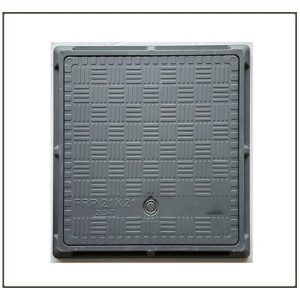
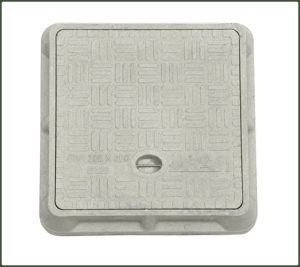
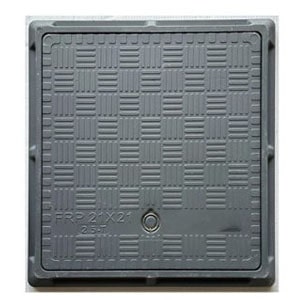
FRP (Fiberglass Reinforced Plastic/Polymer) manholes are lightweight, corrosion-resistant alternatives to traditional concrete, steel, or brick manholes. They are widely used in wastewater treatment, chemical plants, marine environments, and corrosive soil conditions due to their durability and long service life.


Key Features of FRP Manhole

✅ Corrosion Resistance – Resistant to acids, alkalis, seawater, and harsh chemicals.
✅ Lightweight – Easy to transport and install (up to 75% lighter than concrete).
✅ High Strength-to-Weight Ratio – Stronger than concrete in many applications.
✅ Long Lifespan – 50+ years with minimal maintenance.
✅ Watertight & Leakproof – No cracks or seepage issues.
✅ Customizable – Available in different sizes, shapes, and entry configurations.


Applications of FRP Manhole

  • Municipal & Industrial Wastewater Systems

  • Chemical & Petrochemical Plants

  • Marine & Offshore Installations

  • Power Plants & Desalination Facilities

  • Mining & Heavy Industry

  • Telecom & Electrical Utility Access


Comparison: FRP vs. Traditional Manhole

Feature FRP Manholes Concrete Manholes Steel Manholes
Weight Lightweight Very Heavy Heavy
Corrosion Resistance Excellent Poor (cracks, spalling) Prone to rust
Installation Time Fast (modular) Slow (curing needed) Moderate
Lifespan 50+ years 20-30 years 15-25 years
Chemical Resistance High Low (degrades in acids) Moderate
Maintenance Minimal Frequent repairs High (rust prevention)

Types of FRP Manhole

  1. Standard FRP Manholes – Used in municipal sewage and stormwater systems.

  2. Chemical-Resistant FRP Manholes – For industrial effluents (acid/alkali resistance).

  3. Underground FRP Chambers – For telecom and electrical access.

  4. FRP Grease Traps & Interceptors – For restaurants and food processing plants.

  5. Custom-Designed FRP Manholes – Made-to-order for unique project needs.


Installation & Maintenance

  • Modular Design: Often comes in sections for easy assembly.

  • No Heavy Machinery Needed: Can be installed manually in tight spaces.

  • Minimal Upkeep: Unlike concrete, FRP doesn’t crack or corrode.


Leading FRP Manhole Manufacturers

  • Containment Solutions, Inc. (CSI)

  • Lancaster Composite

  • FRP Services & Company

  • ZCL Composites

  • Belco Manufacturing


Conclusion

FRP manholes are the best choice for corrosive, high-moisture, and industrial environments where traditional materials fail. They offer lower lifetime costs, faster installation, and superior durability compared to concrete or steel.

Would you like help with:

  • Supplier recommendations?

  • Technical specifications?

  • Cost comparisons?


battery rack

Best Battery Racks in chennai

Poly Earth energy (Poly Earth) is a company specializing in energy storage solutions, including battery rack for lithium-ion and lead-acid battery systems. Their battery racks are designed for safety, efficiency, and scalability, catering to industries like renewable energy, data centers, telecom, and industrial applications.

PolyEarth Battery Racks – Key Features

Compatibility

    • Supports both lithium-ion and lead-acid batteries.

    • Modular designs for easy expansion.

Safety & Durability

    • Fire-resistant materials (steel construction).

    • Seismic reinforcement for stability in high-vibration environments.

    • Proper ventilation to prevent overheating.

Smart Integration

    • Some models include Battery Management System (BMS) integration for real-time monitoring.

    • Cable management and easy access for maintenance.

Customization Options

    • Adjustable shelves for different battery sizes.

    • High-density configurations for large-scale energy storage.

Applications

    • Solar/Wind energy storage systems.

    • UPS (Uninterruptible Power Supply) backup.

    • Telecom base stations and data centers.

Why Choose PolyEarth Battery Rack?

✔ Optimized for Lithium Batteries – Better thermal management for LiFePO4 batteries.
✔ Heavy-Duty Design – Supports large lead-acid battery racks.
✔ Compliance with Standards – Meets UL, IEC, and local safety regulations.