

Why FRP Manholes Are Ideal for Industrial Applications
Industrial infrastructure demands materials that are strong, reliable, corrosion-resistant, and cost-effective. That’s exactly where FRP manholes step in. When discussing why FRP manholes are ideal for industrial applications, it becomes clear that traditional materials like concrete and cast iron often fall short in aggressive industrial environments.
Businesses such as chemical handling, oil & gas, control era, and wastewater treatment uncover sewer vents to destructive chemicals, extraordinary temperatures, and overwhelming loads. Conventional manholes crack, corrode, and degrade over time, leading to frequent repairs and costly downtime. FRP (Fiber Reinforced Plastic) manholes, on the other hand, are engineered to solve these very problems.
In fact, the rising adoption of FRP products across industrial sectors proves their reliability and performance. According to CompositesWorld, FRP materials are increasingly preferred for infrastructure due to their durability and low lifecycle cost.
What Are FRP Manholes?
Composition and Manufacturing Process
FRP manholes are manufactured using high-strength fibers such as glass fiber combined with thermosetting resins like polyester, vinyl ester, or epoxy. This composite structure delivers exceptional mechanical strength and chemical resistance.
The most common manufacturing processes include:
-
Filament winding
-
Hand lay-up
-
Compression molding
These processes ensure uniform thickness, structural integrity, and consistent quality—qualities essential for industrial-grade infrastructure.
How FRP Manholes Differ from RCC & Cast Iron
Unlike RCC or cast iron manholes, FRP manholes:
-
Don’t rust or corrode
-
Are significantly lighter
-
Maintain strength under harsh chemicals
-
Require minimal maintenance
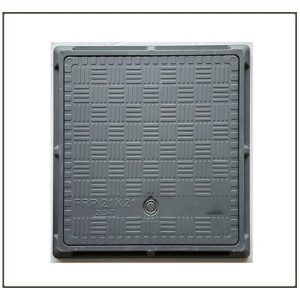
That difference alone explains why FRP manholes are ideal for industrial applications where reliability is non-negotiable.
Key Industrial Challenges with Conventional Manholes
Corrosion and Chemical Damage
Industrial effluents contain acids, alkalis, salts, and gases like hydrogen sulfide. These substances attack concrete and iron aggressively, causing spalling, rusting, and leaks.
Weight, Handling, and Installation Issues
Traditional manholes are heavy, requiring cranes and specialized equipment. This increases installation time, labor costs, and safety risks.
Maintenance and Lifecycle Costs
Frequent repairs, relining, and replacements add up. Over time, the total cost of ownership becomes significantly higher than expected.
Why FRP Manholes Are Ideal for Industrial Applications
Superior Corrosion Resistance
One of the strongest reasons why FRP manholes are ideal for industrial applications is their unmatched resistance to corrosion. FRP remains unaffected by:
-
Acids and alkalis
-
Saline water
-
Industrial chemicals
-
Sewer gases
This makes them perfect for chemical plants, effluent pipelines, and industrial drainage systems.
High Strength-to-Weight Ratio
FRP manholes offer high load-bearing capacity while being lightweight. This means:
-
Easier transportation
-
Faster installation
-
Reduced foundation requirements
Honestly, it’s a win-win for industrial projects trying to cut time and costs.
Long Service Life and Durability
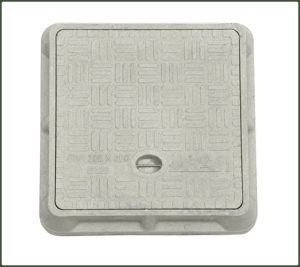
FRP manholes typically last 50+ years with minimal degradation. They withstand thermal expansion, vibrations, and heavy loads without cracking—something traditional materials struggle with.
Performance Advantages in Industrial Environments
Chemical Plants and Refineries
In chemical plants, exposure to aggressive substances is constant. FRP manholes maintain structural integrity without coatings or linings, ensuring uninterrupted operations.
Power Plants and Energy Facilities
Power plants generate heat, moisture, and chemical byproducts. FRP’s thermal stability and moisture resistance make it an excellent fit for these environments.
Water Treatment and Effluent Plants
Leak-proof joints and corrosion resistance help prevent contamination, ensuring compliance with environmental standards.
Installation, Safety, and Operational Benefits
Faster Installation and Reduced Labor
Due to their lightweight design, FRP manhole can be installed quickly without heavy machinery. This reduces project timelines and labor dependency.
Enhanced Worker Safety
Lower handling risks, non-slip surfaces, and factory-molded precision improve worker safety during installation and maintenance.
Leak-Proof and Hygienic Design
Factory-fabricated joints prevent infiltration and exfiltration, which is critical in industrial wastewater management.
Environmental and Sustainability Benefits
Eco-Friendly Manufacturing
FRP production consumes less energy compared to steel and concrete manufacturing, contributing to sustainable infrastructure development.
Reduced Carbon Footprint
Long service life and minimal maintenance reduce replacement frequency, lowering overall environmental impact.
Cost Effectiveness and ROI for Industries
Lower Maintenance Costs
No corrosion means no coatings, no relining, and fewer inspections.
Long-Term Financial Savings
Although the upfront cost may be slightly higher, the lifecycle cost is significantly lower. Industries often see ROI within the first few years.
Compliance with Industrial Standards
FRP manholes comply with:
-
ASTM standards
-
ISO quality norms
-
Pollution control regulations
This ensures reliability, safety, and acceptance across industrial projects.
Comparison Table: FRP vs Traditional Manholes
| Feature | FRP Manholes | RCC Manholes | Cast Iron Manholes |
|---|---|---|---|
| Corrosion Resistance | Excellent | Poor | Moderate |
| Weight | Lightweight | Heavy | Very Heavy |
| Installation Time | Fast | Slow | Slow |
| Maintenance | Minimal | High | High |
| Service Life | 50+ Years | 20–30 Years | 25–30 Years |
Conclusion
When evaluating why FRP manholes are ideal for industrial applications, the answer becomes crystal clear. They outperform traditional materials in durability, safety, chemical resistance, and lifecycle cost. From chemical plants to power stations, manholes offer a future-ready solution for industrial infrastructure.
Frequently Asked Questions (FAQs)
1. Why are FRP manholes preferred in industrial environments?
Because they resist corrosion, chemicals, and extreme conditions better than conventional materials.
2. Are FRP manholes suitable for heavy traffic loads?
Yes, industrial-grade FRP manholes are designed to handle high static and dynamic loads.
3. How long do FRP manholes last?
Typically over 50 years with minimal maintenance.
4. Are FRP manholes environmentally friendly?
Yes, they have a lower carbon footprint and longer lifecycle.
5. Do FRP manholes require coatings or linings?
No, they are inherently corrosion-resistant.
6. Are FRP manholes cost-effective for large industrial projects?
Absolutely. Their low maintenance and long lifespan deliver excellent ROI.