8124077777

 
polyearth

Long-Lasting FRP Products for Every Industry

Long-Lasting FRP Products for Every Industry

In today’s fast-evolving industrial landscape, durability, efficiency, and sustainability are no longer optional—they are essential. This is where FRP (Fiber Reinforced Plastic) products stand out as a reliable solution across industries. At Polyearth, we specialize in delivering long-lasting FRP products engineered to meet the diverse needs of modern industries.


What Makes FRP Products Long-Lasting?

FRP products are manufactured by combining high-strength fibers with advanced resin systems. This unique composition offers several long-term advantages:

  • High strength-to-weight ratio

  • Excellent corrosion and chemical resistance

  • Low maintenance requirements

  • Superior weather and UV resistance

  • Long service life even in harsh environments

Unlike traditional materials such as steel or wood, FRP does not rust, rot, or corrode, making it a cost-effective investment over time.


FRP Solutions for Every Industry

1. Construction & Infrastructure

FRP products are widely used in construction due to their lightweight nature and structural strength. Applications include:

  • FRP gratings and handrails

  • Roofing sheets and panels

  • Cable trays and ladders

These products offer long life, safety, and easy installation, even in demanding environments.

2. Chemical & Process Industries

Chemical plants require materials that can withstand aggressive substances. Polyearth’s FRP products provide:

  • High chemical resistance

  • Leak-proof and corrosion-free performance

  • Safe handling of acids, alkalis, and solvents

This makes FRP ideal for tanks, pipes, scrubbers, and ducting systems.

3. Water & Wastewater Management

FRP is a preferred material for water-related applications due to its non-reactive and hygienic properties. Common uses include:

  • FRP water storage tanks

  • Sewage and effluent treatment components

  • Manhole covers and channels

Our FRP solutions ensure durability and consistent performance with minimal maintenance.

4. Electrical & Utility Sector

Electrical safety demands non-conductive and flame-resistant materials. FRP products meet these requirements by offering:

  • Excellent electrical insulation

  • Fire-retardant properties

  • Resistance to moisture and heat

FRP cable trays, enclosures, and panels are widely trusted in power and utility projects.

5. Industrial & Manufacturing Units

From factories to warehouses, FRP products enhance safety and efficiency:

  • Anti-slip FRP gratings

  • Industrial platforms and walkways

  • Custom-molded FRP components

These products are designed to handle heavy loads while maintaining long-term reliability.


Why Choose Polyearth FRP Products?

At Polyearth, quality and innovation drive everything we do. Our FRP products are:

  • Manufactured using premium-grade raw materials

  • Designed for custom industrial requirements

  • Tested for strength, durability, and safety

  • Backed by technical expertise and industry experience

We focus on delivering solutions that not only meet standards but exceed customer expectations.


A Sustainable Choice for the Future

FRP products are not just durable—they are also environmentally responsible. Their long lifespan, low maintenance, and reduced need for replacements help minimize resource consumption and overall environmental impact.


Conclusion

From construction and chemicals to water management and electrical systems, FRP products have become the backbone of modern industry. With Polyearth’s long-lasting FRP solutions, industries can achieve higher performance, lower maintenance costs, and long-term reliability.

Polyearth – Building Strength That Lasts.

What Are FRP Storage Racks? Features, Uses & Benefits Explained

FRP storage racks are quickly becoming the go-to storage solution across industries that demand durability, hygiene, and corrosion resistance. FRP storage racks are engineered using fiber reinforced plastic, combining high-strength fibers with polymer resins. This smart composition gives FRP storage rack superior performance compared to traditional materials like steel or wood.

Today, FRP storage rack are used in chemical plants, food processing units, pharmaceutical facilities, warehouses, and even residential spaces. Since industries are shifting toward long-lasting and low-maintenance storage solutions,  storage racks fit perfectly into modern infrastructure needs.

What sets FRP storage rack apart is their exceptional resistance to moisture, chemicals, rust, and microbial growth. In addition, they’re lightweight yet sturdy, making installation and relocation hassle-free. As businesses focus more on safety, hygiene, and sustainability, FRP storage racks deliver value on all fronts.

What Does FRP Stand For?

FRP stands for Fiber Reinforced Plastic. It’s a composite material formed by reinforcing a polymer matrix with strong fibers such as fiberglass. This reinforcement improves strength, stiffness, and durability.

In FRP storage rack, the fibers carry the load while the plastic matrix protects them from environmental damage. As a result, FRP storage rack exhibit high load-bearing capacity without compromising flexibility or chemical resistance.

Because FRP materials don’t corrode, rot, or degrade easily, FRP storage rack remain reliable even in extreme environments such as coastal areas, chemical plants, or cold storage facilities.

Key Components of FRP Storage Rack

FRP storage rack are composed of multiple precision-engineered components that work together to provide robust storage solutions:

FRP Frames: Provide structural integrity

FRP Shelves: Support heavy loads without bending

Fasteners & Connectors: Usually stainless steel or FRP-based

Protective Coating: Improves UV and chemical resistance

Each component is carefully designed to ensure that FRP storage racks meet industrial safety and performance standards.

Types of FRP Storage Rack

Wall-Mounted FRP Racks

Wall-mounted FRP storage rack are ideal for small spaces and light to medium loads. They’re commonly used in laboratories, kitchens, and medical facilities.

Heavy-Duty FRP Storage Rack

These FRP storage rack are designed for warehouses and industrial plants where high load capacity is critical. They’re reinforced with thicker fiberglass layers for added strength.

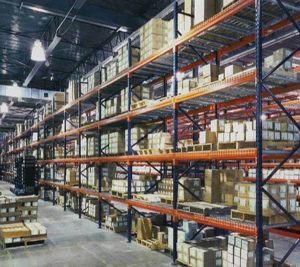
FRP Storage Racks

Manufacturing Process of FRP Storage Rack

FRP storage rack are manufactured using advanced processes such as pultrusion, hand lay-up, or filament winding. Among these, pultrusion is the most common method because it ensures consistent quality and precise dimensions.

The process includes:

Fiber impregnation with resin

Heating and curing

Cutting into desired lengths

Assembly and finishing

This controlled manufacturing process makes FRP storage rack reliable and uniform in performance.

Core Features of FRP Storage Rack

FRP storage racks come with a wide range of impressive features:

  • Corrosion-resistant

  • Lightweight but strong

  • Fire-retardant options available

  • Non-conductive and safe

  • Hygienic and easy to clean

  • Customizable sizes and colors

Because of these features, FRP storage racks are suitable for both harsh industrial environments and clean commercial spaces.

Industrial Applications of FRP Storage Rack

FRP storage rack are widely used across industries such as:

  • Chemical processing plants

  • Pharmaceutical industries

  • Food and beverage production

  • Oil and gas facilities

  • Water treatment plants

Their ability to withstand aggressive chemicals and extreme temperatures makes FRP storage rack ideal for industrial storage environments.

FRP Storage Racks

Commercial and Residential Uses

FRP storage rack aren’t limited to heavy industries. They’re also popular in:

  • Supermarkets

  • Hospitals

  • Commercial kitchens

  • Cold storage rooms

  • Modern homes

Because FRP storage rack look clean, modern, and professional, they fit well into visible spaces where aesthetics matter.

Environmental and Safety Advantages

FRP storage rack are environmentally responsible solutions. Their long service life reduces material waste and replacement frequency. Additionally, they emit fewer pollutants during use.

From a safety standpoint, FRP storage rack are non-sparking, non-conductive, and resistant to microbial growth. These qualities make them ideal for hazardous and hygienic environments.

How to Choose the Right FRP Storage Rack

When selecting FRP storage racks, consider the following:

  • Load capacity

  • Environmental exposure

  • Available space

  • Customization needs

  • Industry compliance

Choosing the right FRP storage rack ensures optimal performance and safety for years to come.

Maintenance and Lifespan

One of the biggest advantages of FRP storage racks is minimal maintenance. Regular cleaning with mild detergents is usually enough.

With proper installation, FRP storage rack can last 20–30 years or more, even in harsh environments. That’s a solid return on investment.

Conclusion

FRP storage racks are a modern, efficient, and future-ready storage solution. With unmatched corrosion resistance, safety, hygiene, and durability, FRP storage rack outperform traditional storage systems in almost every way.

Whether for industrial, commercial, or residential use, FRP storage rack deliver long-term value and peace of mind. Investing in FRP storage rack isn’t just a smart decision—it’s a strategic one.

FAQs About FRP Storage Racks

1. What are FRP storage rack made of?

FRP storage racks are made from fiber reinforced plastic, combining fiberglass and polymer resin.

2. Are FRP storage rack suitable for outdoor use?

Yes, FRP storage racks resist UV rays, moisture, and corrosion.

3. How much weight can FRP storage rack hold?

Heavy-duty FRP storage racks can support substantial industrial loads.

4. Are FRP storage rack hygienic?

Absolutely. They resist bacteria, mold, and moisture.

5. Do FRP storage rack require maintenance?

Minimal maintenance is required—no painting or rust treatment.

6. Are FRP storage rack eco-friendly?

Yes, they’re durable, long-lasting, and reduce material waste.