

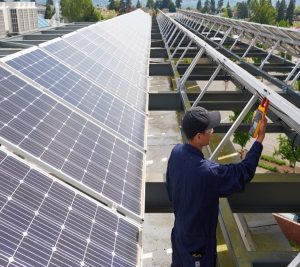
Solar farms are booming globally, and efficient infrastructure is key to their success. One element often overlooked is the walkways that allow staff to safely navigate solar panels. FRP (Fiber Reinforced Polymer) solar walkways have emerged as a superior choice. Not only do they enhance safety, but they also optimize the long-term performance of solar farms.
What is FRP?
FRP is a composite fabric made from a polymer network fortified with filaments, as a rule glass, carbon, or aramid. The result is a lightweight but incredibly strong material resistant to corrosion, chemicals, and extreme weather conditions.
Key Features of FRP Walkways
-
High strength-to-weight ratio
-
Corrosion resistance
-
Non-conductive properties
-
Slip-resistant surface
-
Minimal maintenance requirements
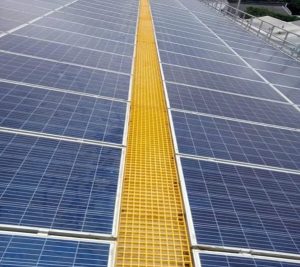
FRP walkways combine engineering excellence with practical utility, making them perfect for high-traffic areas in solar farms.
Advantages of Using FRP Solar Walkways in Solar Farms
Durability and Longevity
FRP walkways are designed to withstand harsh environmental conditions for decades. Unlike wood or metal, FRP does not rot, rust, or warp, meaning fewer replacements and lower lifecycle costs. Studies show that properly installed FRP walkways can last 20+ years with minimal maintenance.
Lightweight Yet Strong
FRP panels are significantly lighter than steel or concrete, which reduces the load on solar farm structures. Despite being lightweight, FRP can support heavy pedestrian traffic and equipment, providing a safe walking surface for maintenance personnel.
Corrosion and Weather Resistance
Exposed to sun, rain, snow, and chemicals, walkways in solar farms must resist corrosion. FRP’s composite construction ensures exceptional resistance to UV radiation, moisture, and chemical spills, maintaining structural integrity over time.
Low Maintenance Requirements
Unlike metal walkways that require regular painting or anti-rust treatments, FRP walkways require minimal maintenance. Occasional cleaning and inspection are enough to keep them in peak condition, freeing up labor for other operational tasks.
Easy Installation Process
FRP walkways often come in modular sections that snap together quickly, reducing installation time and costs. This modularity allows for flexible layouts, even in complex solar farm designs.
Safety and Slip Resistance
FRP panels are designed with textured surfaces that enhance slip resistance, crucial in wet or frosty conditions. This safety feature reduces accidents and ensures compliance with occupational safety standards.
Cost-Effectiveness Over Time
While the upfront cost of FRP may be slightly higher than traditional materials, its long-term durability, low maintenance, and reduced replacement needs make it more economical for solar farm operators.
Environmental Benefits
FRP is a sustainable option. It reduces waste from frequent replacements and can be manufactured with recyclable materials. Its longevity minimizes resource consumption, aligning with the environmental goals of solar farms.
Design Flexibility and Customization
FRP walkways can be customized in width, length, color, and load-bearing capacity, making them adaptable to any solar farm layout. They can also incorporate drainage patterns and anti-slip designs as needed.
Comparing FRP Walkways to Traditional Materials
Steel Walkways vs FRP Walkways
| Feature | Steel | FRP |
|---|---|---|
| Weight | Heavy | Lightweight |
| Corrosion Resistance | Poor without coating | Excellent |
| Maintenance | High | Low |
| Installation | Labor-intensive | Quick and modular |
| Lifespan | 10–15 years | 20+ years |
Concrete Walkways vs FRP Walkways
| Feature | Concrete | FRP |
|---|---|---|
| Flexibility | Limited | High (modular) |
| Installation Time | Long | Short |
| Slip Resistance | Low (needs treatment) | High |
| Durability | Moderate | Excellent |
| Maintenance | Moderate | Minimal |
Installation Best Practices for Solar Farms
Site Preparation and Planning
-
Clear debris and level the ground
-
Plan walkways to allow access to all solar arrays
-
Consider drainage and slope requirements
Proper FRP Walkway Placement
-
Ensure panels are supported evenly
-
Avoid direct contact with standing water
-
Leave expansion gaps for thermal movement
Safety Guidelines During Installation
-
Use gloves and eye protection
-
Follow manufacturer torque specifications for fasteners
-
Ensure proper alignment to prevent tripping hazards
Maintenance Tips for Longevity
Routine Inspections
-
Check for cracks or warping
-
Inspect anti-slip surfaces for wear
-
Monitor fastener tightness
Cleaning Procedures
-
Use mild detergents or water pressure washers
-
Avoid abrasive chemicals that could damage the polymer
Repair and Replacement Guidance
-
Replace modular panels individually when damaged
-
Use compatible FRP repair kits for small cracks
Conclusion
FRP solar walkways combine durability, safety, and cost-effectiveness, making them the top choice for solar farms worldwide. From modular installation to long-term sustainability, FRP solutions enhance operational efficiency while reducing maintenance burdens. Solar farm operators who invest in FRP walkways enjoy a safer work environment, lower long-term costs, and environmentally responsible infrastructure.
Frequently Asked Questions (FAQs)
1. How long do FRP walkways last in solar farms?
With proper installation and routine maintenance, FRP walkways can last over 20 years.
2. Can FRP walkways handle heavy equipment?
Yes, FRP walkways are designed to support pedestrian traffic and moderate maintenance equipment loads.
3. Are FRP walkways environmentally friendly?
Absolutely. They reduce replacement frequency, can use recyclable materials, and have a smaller carbon footprint than steel or concrete.
4. How do FRP walkways compare in cost to steel?
FRP may have a higher upfront cost but offers lower lifecycle costs due to minimal maintenance and longevity.
5. Do FRP walkways require special cleaning products?
No. Mild detergents or water are sufficient to maintain FRP walkways.
6. Can FRP walkways be customized for specific site layouts?
Yes. Modular designs allow custom widths, lengths, and patterns to fit any solar farm layout.